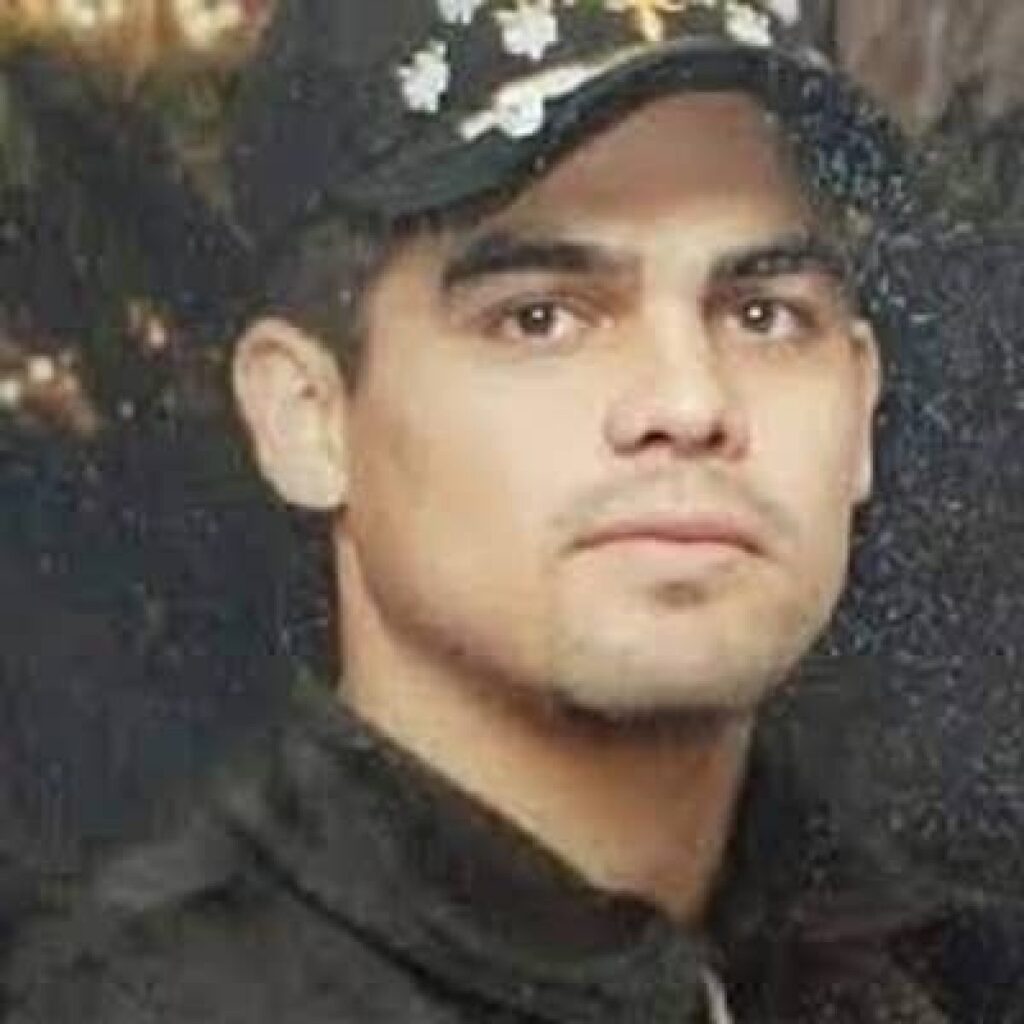
Who Plays Arthur Morgan? The Voice Behind the Frontier Outlaw
Who Plays Arthur Morgan? The Voice Behind the Frontier Outlaw
When *Red Dead Redemption 2* richly unfolds through Arthur Morgan’s brooding narration and commanding presence, fans immediately ask: Who breathes life into this legendary outlaw? The current interpreter of Arthur’s voice—Eddie James—is far more than a mere voice actor; he crafts an immersive experience that anchors the game’s emotional core. James, renowned for his versatility in video game audio and voice performance, delivers a voice both weathered by frontier hardship and steeped in quiet tragedy.
His tone shifts effortlessly from gruff resilience to raw vulnerability, shaping Arthur’s internal conflict and moral decay with precision. As the game traverses open plains and storm-lashed canyons, James remains the steady anchor, turning dialogue into lived experience. But Arthur’s voice is not a single performance—it is the result of careful casting, nuanced direction, and deep collaboration with developers to reflect the character’s evolution across the game’s narrative arc.
Behind the microphone, Eddie James brings phased depth to Arthur Morgan, capturing the demonstrable weight of a man raised by violence yet haunted by conscience. A veteran in motion capture and voice performance, James has worked on numerous AAA titles, including notable roles in *The Crew 2* and *Firewatch*, where his ability to convey subtle emotional layers sets him apart. In *Red Dead Redemption 2*, his portrayal avoids caricature, instead presenting Arthur as a complex, flawed protagonist whose voice carries the nuance of a man caught between loyalty and loss.
“Arthur’s voice is the story,” James has remarked, emphasizing how tone and delivery reflect core moments—from the weary resignation of long marches to the steely refusal in moments of betrayal. The casting of Arthur Morgan was the result of rigorous auditioning, withapeake Director Rockstone and voice director David Buck sought an actor whose delivery could span introspection and intensity. James’s audition stood out for its emotional authenticity and cadence—qualities essential to embodying a man shaped by a violent legacy.
Producer Alan E. Smith noted in development notes that “the voice had to sound lived-in, as if Arthur carries decades of scars on every syllable.” This philosophy guided the recording sessions, where James often immersed himself in the game’s narrative beats, internalizing Arthur’s relationships, regrets, and quiet moments of clarity. Physically and emotionally, James channels Arthur’s journey through vocal modulation, breath control, and subtle dynamic shifts.
Early scenes emphasize weariness—each word drawn out with the fatigue of survival. As Arthur grows more detached, the pacing quickens, voices grow tighter, conveying internal collapse. During pivotal moments like the Rock debut or the final escape, James uses minimalism and powerful timing to convey profound emotional shifts.
“It’s not just about mumbling through lines,” James explained in a behind-the-scenes interview, “it’s about letting silence speak louder than words.” Collaboration between James and the Red Dead development team was integral. Audio designers integrated Arthur’s performance into a dynamic system that responded to gameplay—his voice softening during moments of introspection, sharpening in battle intensity. Motion capture sessions synchronized speech with micro-expressions, making Arthur’s delivery feel organic, rooted in the character’s lived reality.
Producers stressed fidelity: Arthur’s voice must reflect his past sins infused with emerging doubt. This attention to detail creates a continuously evolving auditory portrait, reinforcing the game’s thematic depth. Beyond *Red Dead Redemption 2*, James’s connection to Arthur extends into fan culture and thematic resonance.
His portrayal influences how players connect with the character—not just as an outlaw, but as a man burdened by memory and morality. Critics have drawn parallels between James’s performance and Jim Morrison’s dramatic intensity, noting how voice alone anchors Arthur’s psychological complexity. “Eddie James doesn’t just read the script—he lives it,” observed gaming journalist Alex Novak.
“That’s why Arthur Morgan feels real—too human to admire, too broken to forget.” In the broader landscape of video game narration, few voice performances achieve the depth and consistency of Arthur Morgan’s. James’s work exemplifies how voice acting transcends mere delivery to become character embodiment. Through masterful vocal craft and empathetic interpretation, he transforms a fictional figure into an unforgettable presence—one whisper of gravel, tremor in a voice, and silence that speaks volumes.
As Arthur Morgan continues to ride across the American frontier in digital legend, it is James’s voice that guides the journey, giving Arthur Morgan a timeless, authentic presence that lingers long after the credits roll. The voice behind Arthur Morgan is not just a performance—it is a narrative force, shaped by meticulous casting, emotional depth, and collaborative innovation, ensuring that Arthur’s story resonates with enduring authenticity.
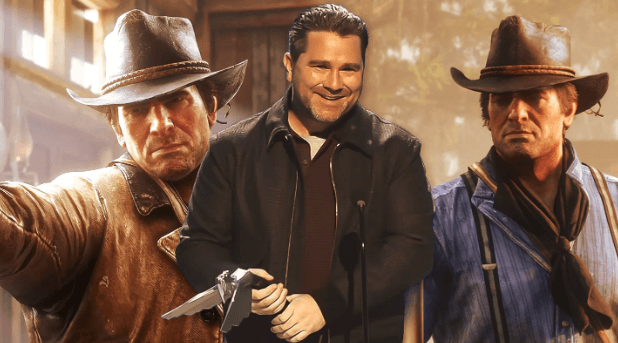
![[100+] Arthur Morgan Wallpapers | Wallpapers.com](https://wallpapers.com/images/hd/arthur-morgan-western-outlaw-z4k06mhl60ojew4b.jpg)


Related Post
_0.jpg)
Who Steps Into the Haunting Role of Arthur Morgan — and Why Their Performance Defines Red Dead Redemption 2’s Soul
Time in a Minute: How Seconds Shape Our Modern World
Unraveling The Legacy Of Johnny Lawrence: The Warrior Behind Every Showdown